
HIV Basics
Human Immunodeficiency Virus (HIV) is not the same thing as Acquired Immune Deficiency Syndrome (AIDS). HIV is an infection, and when left untreated, it can slowly make the body worse at fighting other infections or diseases that a healthy person may otherwise be able to fight.
These days, with advancement in medications and treatments, it is very uncommon for HIV to develop into AIDS. People with HIV on treatment will likely never get AIDS. And because of the community work and research done by 2S/LGBTQIA+ communities and allies HIV is no longer the death sentence that it once was.
Take a look through this section to learn more about how HIV works.
What is HIV?
HIV is a virus that affects the immune system. There are several stages of HIV infection, and they can help us understand how this virus works, and the importance of finding out you have it, and getting on treatment, soon after an infection.
How HIV Spreads
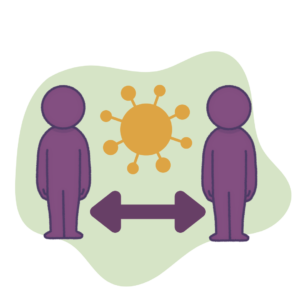
HIV can spread when certain body fluids from a person with HIV enter another person’s body. These fluids include:
- Blood
- Semen (cum) and pre-cum
- Vaginal fluids
- Anal fluids
- Breast milk
HIV can enter the body through:
- Cuts or broken skin
- The opening at the tip of the penis
- Wet areas inside the body like the anus, vagina, urethra (pee hole), or foreskin
HIV is NOT spread through:
- Sweat
- Spit (saliva)
- Tears
- Pee
- Poop
- Snot
- Everyday contact like hugging or sharing food
To learn more about how HIV is transmitted during sex, check out this section.
What happens after you get HIV?
If someone gets HIV and doesn’t get treatment, it can slowly damage their immune system over time. HIV mainly attacks CD4 T cells — these are white blood cells that help fight infection. Without enough of these cells, the body can have a harder time staying healthy.
Getting tested and starting treatment early helps people live long, healthy lives.
Stage 1: Acute HIV
This is the first stage, usually within 2 to 4 weeks after HIV enters the body. During this time:
- The virus makes lots of copies quickly
- HIV levels in the blood are very high
- Most HIV tests won’t detect the virus yet
During this time, the chances of passing HIV to sexual partners are higher than at other stages of HIV.
Flu-like symptoms and other symptoms may occur during this time, though not everyone will have symptoms. The only way to know if you have HIV is to get tested.
Seroconversion Illness:
In some cases, early symptoms of HIV include:
- Fever and flu-like symptoms
- Swollen glands in your armpits, groin and neck
- Feeling tired all of the time
- Sore muscles and joints
- Sore throat
- Diarrhea
- Headache
- Rashes on your torso
- Night sweats
- Mouth ulcers
Many of these symptoms can be caused by other diseases or illnesses, so having them doesn’t necessarily mean you have been infected with HIV.
Stage 2: Asymptomatic Infection
After the first few weeks, HIV levels go down but the virus is still in the body. This stage can last for years without symptoms. Without treatment, HIV continues to slowly weaken the immune system.
Stage 3: AIDS:
Sometimes it takes years to notice the effects of HIV. After the early stages, HIV is still active, but copies itself at lower levels. This period is called asymptomatic infection.
For people who aren’t getting treated for HIV, the virus can weaken the body’s immune system even further and lead to AIDS (Acquired Immunodeficiency Syndrome). A person with AIDS’ immune system can get so weak that they might get all kinds of different serious illnesses and infections. Because of modern testing, awareness campaigns, and treatment options, HIV infection becoming AIDS is incredibly rare, especially in Canada where most folks have access to treatment.
If you think you’re HIV-negative but you haven’t been tested in a while, remember that it’s important to get tested for HIV frequently if you’re having sex or using shared injection or drug equipment, whether or not you have symptoms. Being diagnosed early is one of the best ways to access treatment quicker, avoid passing the virus on to someone, and better support your overall health in the long run.
You may be wondering, am I at risk of getting HIV? Let’s start by talking about what risk really means.
What does “risk” mean?
- Risk is your chance of getting HIV based on things like:
- The kinds of sex you have
- Whether you use condoms or other protection
- If you share needles or drug equipment
- Your health and access to healthcare
- Who your partners are and what their HIV status is
Everyone’s risk is different. Taking part in something considered “high-risk” doesn’t mean you’ll definitely get HIV, and doing something considered “low-risk” doesn’t guarantee you won’t.
That’s why it’s helpful to learn about what increases or lowers your own risk, so you can make the choices that feel right for you.
HIV has often been thought of as a gay men’s issue in North America, and while it does impact gay men, and other queer men or men who have sex with men at a higher rate than the general population, being a queer man does not mean you will get HIV, and not being a queer man does not mean you won’t. Different communities have different risks based on access to healthcare, social stigma, and common activities; that being said, the communities you belong to are just one of the many complex factors that influence your personal risk.
Understanding HIV Risk in Nova Scotia
HIV can affect anyone, but some groups in Nova Scotia are more affected than others. For example, according to Nova Scotia Health, most new HIV diagnoses in recent years have been linked to:
- Condomless anal sex
- Sharing drug use equipment, especially needles or syringes
- Limited access to regular HIV testing and treatment
These activities can be fun, pleasurable, and important to our lives. We want everyone to learn more about what their own risk of HIV is, how to decrease risk, and the tools out there for people who have HIV.
This section was adapted, with permission, from The Sex You Want Website.
*disclaimer: we do not necessarily endorse all of the information, content, or language used in these references